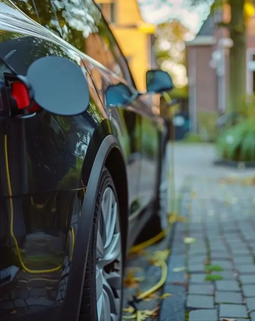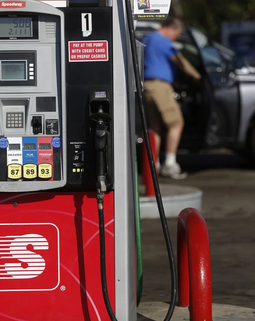

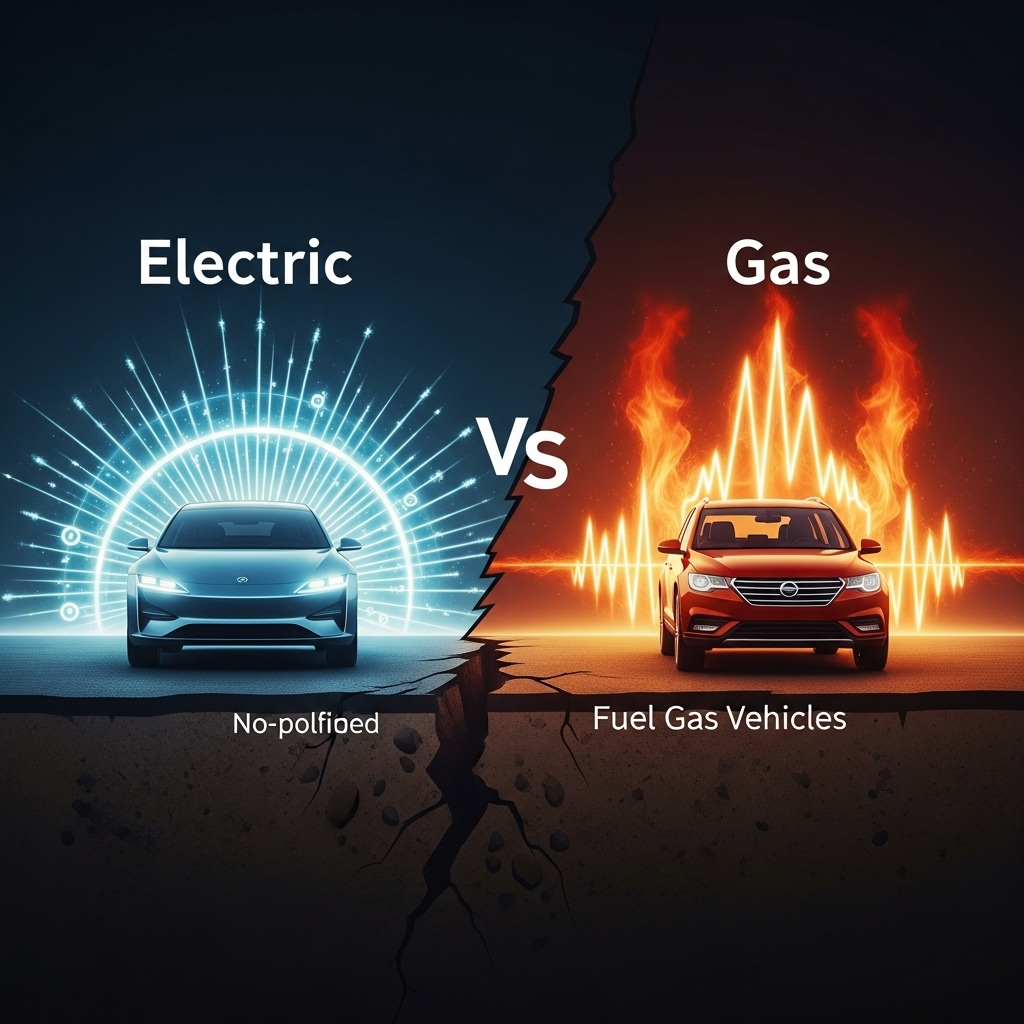
Laos is undergoing a rapid shift in its automotive landscape. While the government has implemented massive tax incentives favoring Battery Electric Vehicles (BEVs) to utilize the nation’s abundant hydropower, Hybrid Electric Vehicles (HEVs) occupy a crucial middle ground. These vehicles offer immediate Fuel Efficiency gains without requiring an external charging infrastructure, making them highly attractive to the average driver. However, the long-term decision of whether a hybrid is more cost-effective than a traditional gasoline car hinges on the TCO of Hybrid Vehicles—specifically, their maintenance costs in the local environment.
The common misconception is that a dual-powertrain car will be twice as expensive to maintain. In reality, the opposite is often true, creating potential for Long-Term Savings.
The Hidden Maintenance Advantages of Hybrid Technology
While the initial purchase price of a hybrid model may carry a premium over its traditional equivalent, the savings in maintenance quickly begin to close this gap, particularly in urban environments like the Vientiane Commute.
Reduced Wear on the Internal Combustion Engine (ICE)
In a hybrid, the gasoline engine often operates for shorter periods and at more Optimal speeds. In stop-and-go city traffic, the electric motor takes over entirely or assists the ICE. This less strenuous duty cycle translates to less wear and tear. For the driver, this means fewer oil changes, slower degradation of engine components, and ultimately, lower routine Vehicle Maintenance Costs over the life of the car, which is a key factor in the TCO of Hybrid Vehicles.
The Magic of Regenerative Braking
This is the single biggest advantage for hybrid owners. Hybrid vehicles use Regenerative Braking to convert kinetic energy back into electricity to charge the battery, rather than wasting it as heat. This process significantly reduces the workload on the traditional friction brakes (pads and rotors). In a typical city setting, a hybrid’s brake components can last twice as long, dramatically reducing a common and recurrent Vehicle Maintenance Cost.
Mitigating the Battery Replacement Concern
The biggest fear factor driving up the perceived TCO of Hybrid Vehicles is the eventual Battery Replacement Cost. A hybrid battery, while expensive, is designed to last the life of the car and typically comes with an 8- to 10-year warranty. For vehicles with high mileage, such as those used for ride-sharing or frequent long-distance travel, the savings from reduced Laos Fuel Prices may offset this future expense entirely.
Considering that fuel is a major recurrent expense, and that hybrids can offer 30% to 50% better Fuel Efficiency than their conventional counterparts, the TCO of Hybrid Vehicles in Laos often proves favorable, especially for high-mileage drivers. As the Central Asian Climate and road conditions are often demanding, the greater durability of the hybrid drivetrain—which includes the protection offered by Regenerative Braking—helps ensure Long-Term Savings. Moreover, the market for imported used hybrids remains strong, suggesting a high residual value that further lowers the total cost of ownership. For a comparison of global hybrid and traditional vehicle options, drivers often turn to reliable automotive marketplaces, such as AsiaCarGroup.
The data consistently suggests that for the average driver, the fuel savings and reduced brake wear of a hybrid outweigh the small maintenance premium and the distant worry of battery replacement, cementing a lower TCO of Hybrid Vehicles compared to traditional cars.
Considering the impact of rising Laos Fuel Prices, which single factor—the fuel savings or the reduced brake wear from Regenerative Braking—do you believe is the more powerful incentive for Laotian drivers to switch to a hybrid? Comment below with your choice!