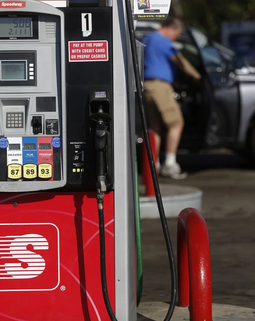

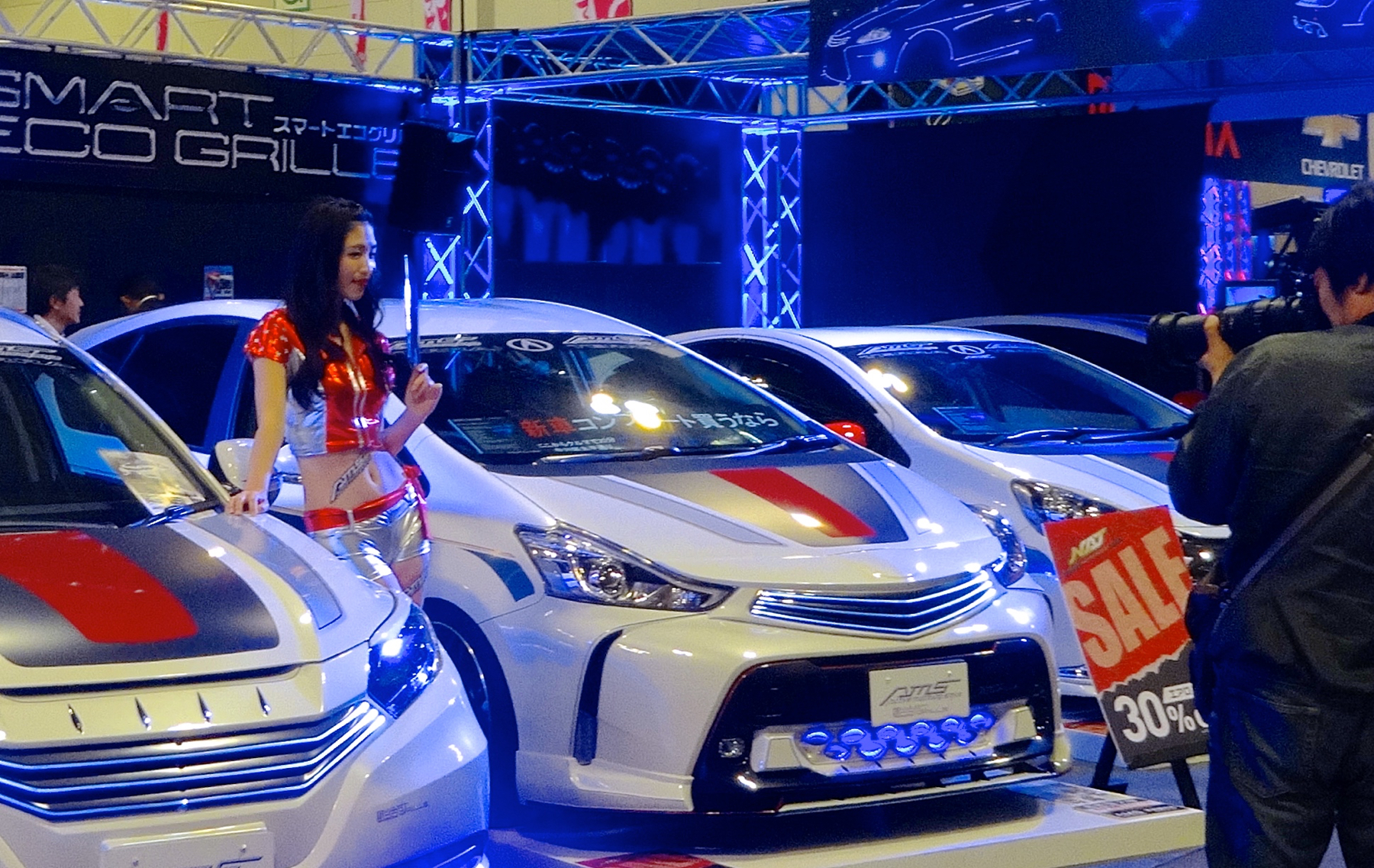
In 2025, Laos is seeing a strong shift toward Fuel‑Efficient Demand for vehicles. Rising fuel prices, economic pressure, and environmental awareness are motivating both city and rural buyers to favor models that promise fewer trips to the pump and lower running costs.
Key Drivers Behind the Fuel‑Efficient Demand
Economic and Environmental Pressures
With fluctuating fuel supply and ever-rising pump prices, consumers are gravitating toward hybrid and electric options to reduce monthly expenses. Coupled with growing concern over air quality and sustainability, Fuel‑Efficient Demand reflects a socio-economic push for smarter mobility.
Government Incentives Spurring Change
Policy adjustments are igniting this demand, with reduced import duties on green vehicles, road tax subsidies, and private sector support for charging infrastructure. These measures boost Fuel‑Efficient Demand by making efficient vehicles financially attractive and easier to own.
Popular Fuel-Efficient Vehicle Choices
Hybrid and Electric Models in Focus
Hybrid sedans and compact electric SUVs are leading the Fuel‑Efficient Demand wave. Models known for their value, low emissions, and easy access in urban areas are enjoying strong sales growth among eco-minded and budget-conscious drivers alike.
Chinese NEVs Gaining Ground
New Energy Vehicles (NEVs) from leading Chinese brands are becoming common sights in cities like Vientiane. With compelling price points and solid features, these models are central to expanding Fuel‑Efficient Demand—helping to reshape consumer expectations about performance and sustainability.
Supporting Factors Fueling This Demand
Expanding Charging Network and Accessibility
Investment in charging stations across major corridors is enabling more reliable vehicle use. As accessibility rises, Fuel‑Efficient Demand grows—especially among long-distance commuters and logistics operators exploring electrified alternatives.
Awareness and Service Ecosystem Growth
Growing information about fuel-efficient benefits, paired with improved service networks for hybrid and electric models, creates confidence in ownership. This trust and knowledge are vital to sustaining the Fuel‑Efficient Demand trend among new car buyers.
Challenges Ahead for Sustaining Demand
Infrastructure Gaps Outside Urban Areas
While the Fuel‑Efficient Demand is strong in cities, rural regions and remote provinces still lack charging options, limiting vehicle accessibility. Overcoming infrastructure gaps is key to extending this demand across the country.
High Upfront Costs for EVs
Despite savings over time, fuel-efficient vehicles still carry a premium—posing a hurdle for price-sensitive segments. Without continued incentives, maintaining momentum for the Fuel‑Efficient Demand across all income levels may prove challenging.
Platforms like Asia Car Group’s portal offer a convenient way to explore fuel-efficient vehicles, compare models, and find options tailored to Laos’s landscape—making smart mobility choices easier than ever.
Are you feeling the pull of Fuel‑Efficient Demand? Which models are catching your eye—or have you already made the switch? Share your thoughts, experiences, or wishlist cars in the comments below—let’s drive greener together!