

For decades, the Lao People's Democratic Republic has aggressively pursued a strategy to become the premier energy hub of its region. By harnessing the massive power of the Mekong River and its numerous tributaries, the nation has unlocked an incredible capacity for Renewable Energy Generation. This massive hydroelectric potential—estimated at over 26 gigawatts—has historically been used for Cross-Border Electricity exports to neighboring countries like Thailand, Vietnam, and Cambodia. However, this vast abundance of clean, locally generated power is now fueling a domestic revolution: the rapid acceleration of Laos EV Adoption.
By shifting its focus inward, the government realizes that relying on expensive, imported fossil fuels for transportation actively drains the national economy. With over 80% of its domestic electricity coming directly from water, transitioning the national vehicle fleet to battery power is a highly logical, economically sound strategy.
Breaking Free From Fossil Fuel Imports
The economic driving force behind Laos EV Adoption is undeniably strong. Every time a local driver plugs their car into the domestic grid, they are directly utilizing the country's own natural resources rather than burning imported oil. This transition keeps essential wealth circulating within the local economy. As the government continues to offer lucrative tax exemptions and heavily subsidizes charging infrastructure, Laos EV Adoption is moving swiftly from a niche environmental concept to a mainstream financial necessity for everyday citizens.
Building A Sustainable Transport Network
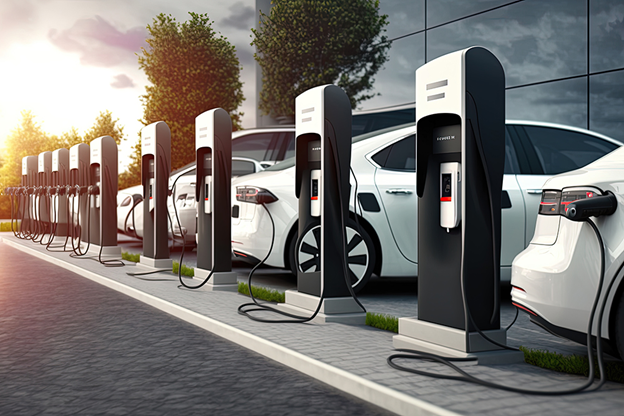
To ensure that the ambitious goal of making 30% of all vehicles on the road electric by 2030 is successfully met, public and private partnerships are expanding rapidly to actively support Laos EV Adoption. Local ride-hailing startups have successfully partnered with international automakers to deploy massive fleets of electric taxis across Vientiane and Luang Prabang. This integration effectively creates a highly efficient Sustainable Transport Network that actively demonstrates the reliability and cost-effectiveness of electric driving.
Furthermore, as these electric fleets navigate the steep, mountainous terrain, they produce Zero-Tailpipe Emissions, actively protecting the region's pristine air quality and fragile ecosystems from toxic exhaust pollution.
Expanding The Clean Energy Grid
While hydropower remains the undisputed backbone of the country's energy strategy, 2026 has seen a massive push toward diversifying the grid with onshore wind and solar photovoltaics. By strengthening its grid stability, the nation ensures that the ongoing surge in Laos EV Adoption does not overwhelm the local power supply, especially during the dry season.
For industry professionals, investors, and automotive enthusiasts looking to continuously track shifting policies, charging network expansions, and Clean Mobility trends across the region, platforms like AsiaCarNews provide excellent, up-to-date daily insights.
Ultimately, by intelligently pairing its massive hydroelectric output with aggressive green transit policies, the nation is setting a powerful global example. Laos EV Adoption is no longer just a local trend; it is a highly successful blueprint proving that abundant clean energy can fundamentally transform an entire country's transportation landscape.
How do you think other nations can replicate this clean energy success? Share your thoughts, questions, and insights in the comments below!
Would you like me to find more information about specific EV models currently dominating the Southeast Asian market?