
Laos has taken one of Southeast Asia's boldest automotive policy steps by temporarily suspending imports of petrol- and diesel-powered vehicles until the end of 2026. The move is designed to accelerate Laos EV Adoption, reduce dependence on imported fossil fuels, and support the country's long-term transition toward cleaner transportation.
The policy will take effect from June 2026 and forms part of a broader strategy aimed at increasing the share of electric vehicles on Lao roads to more than 30 percent by 2030.
Major Shift in the Automotive Market
The decision represents a significant turning point for the country's automotive sector. By limiting imports of conventional vehicles, authorities hope to encourage consumers and businesses to consider electric alternatives. The latest policy is expected to have a substantial impact on Laos EV Adoption while reshaping vehicle purchasing trends throughout the country.
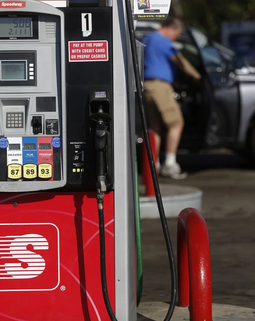
Fuel Vehicle Imports Suspended
Under the new directive, imports of most petrol- and diesel-powered passenger vehicles will be suspended through the end of 2026.
However, several categories remain exempt, including:
-
Passenger transport vehicles
-
Commercial trucks for specific projects
-
Heavy machinery
-
Specialized professional vehicles
These exemptions ensure that critical economic sectors can continue operating without disruption.
Supporting National Energy Goals
Laos imports most of its petroleum products despite being rich in hydropower resources. Expanding Laos EV Adoption allows the country to utilize more domestically generated electricity while reducing fuel import costs and pressure on foreign currency reserves.
Government Focuses on EV Market Growth
Authorities are introducing additional measures alongside the import suspension to support electric mobility.
Standardized EV Pricing
To prevent excessive price increases, the government has instructed regulators to establish a transparent pricing framework for electric vehicles.
The system will consider:
-
Vehicle production costs
-
Transportation expenses
-
Taxes and duties
-
Approved dealer profit margins
This approach aims to make Laos EV Adoption more affordable while preventing market manipulation during the transition period.
Tax Incentives for Electric Vehicles
The government is also introducing incentives to encourage EV purchases. Fully electric vehicles valued below USD 50,000 will be exempt from excise taxes, making them more competitive against traditional vehicles and helping boost Laos EV Adoption across different consumer segments.
Charging Infrastructure Expansion
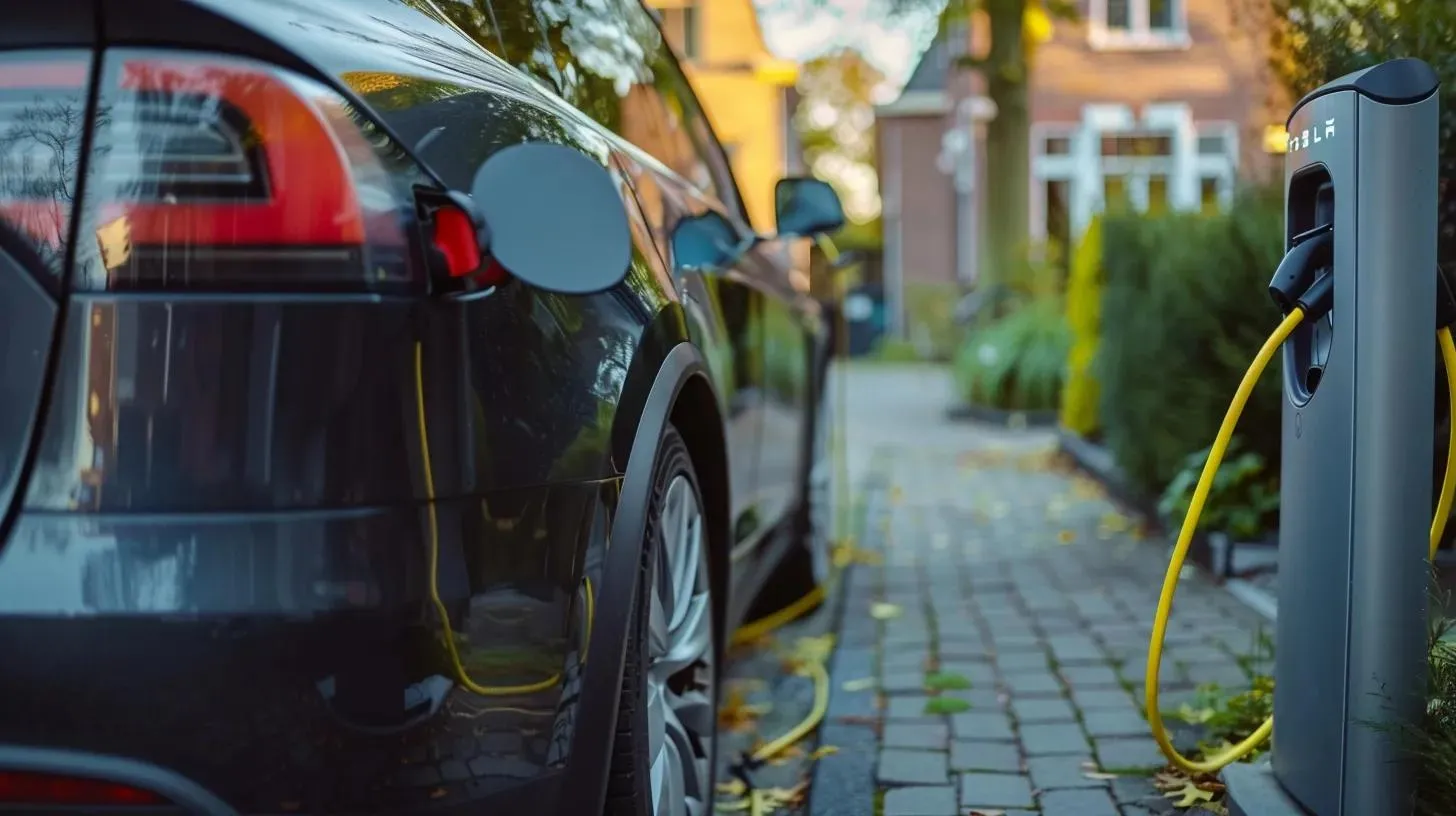
One of the biggest challenges facing electric mobility is charging accessibility. Recognizing this, the government is actively supporting infrastructure development.
New Charging Station Investments
Authorities have pledged to provide land and technical support to private companies interested in building EV charging stations throughout the country. Expanding the charging network is considered critical to sustaining long-term Laos EV Adoption and improving consumer confidence in electric mobility.
Building an EV Ecosystem
Experts have emphasized that charging infrastructure, technical standards, and financing mechanisms must continue improving if Laos wants to support a rapidly growing EV fleet. Industry analysts following regional EV developments through AsiaCarGroup note that infrastructure investment is often the determining factor in successful EV transitions across emerging markets.
Impact on Southeast Asia’s EV Market
Laos joins a growing list of Southeast Asian countries implementing policies to encourage electric mobility.
Regional EV Momentum
Electric vehicle sales continue to rise across the region as governments introduce incentives, infrastructure investments, and environmental regulations. The latest policy positions Laos EV Adoption among the most ambitious EV transition programs currently underway in Southeast Asia.
Opportunities for Automakers
The restriction on fuel-powered imports could create new opportunities for EV manufacturers looking to expand their presence in emerging Asian markets. Automakers offering affordable electric vehicles may find increasing demand as consumers adjust to the new regulatory environment.
Future Outlook for 2026 and Beyond
The future of Laos EV Adoption will largely depend on the successful implementation of supporting policies, charging infrastructure, and market incentives.
Higher EV Market Share Expected
With fewer conventional vehicles entering the market and stronger government support for electric mobility, EV registrations are expected to grow significantly over the next several years.
Toward Sustainable Transportation
The policy aligns with broader environmental and energy objectives by reducing emissions and promoting cleaner transportation solutions.
Conclusion
The suspension of petrol- and diesel-powered vehicle imports marks a major milestone for Laos EV Adoption and demonstrates the country's commitment to accelerating electric mobility. Combined with tax incentives, pricing controls, and infrastructure investments, the initiative could transform the automotive market and position Laos as a regional leader in EV transition.
Join the Conversation
Do you think banning fuel-powered vehicle imports is an effective way to accelerate electric vehicle adoption? Share your thoughts in the comments and tell us whether similar policies could work in other countries.